Trust Enterprise
A flexible structure for assets, shareholdings and long-term succession planning
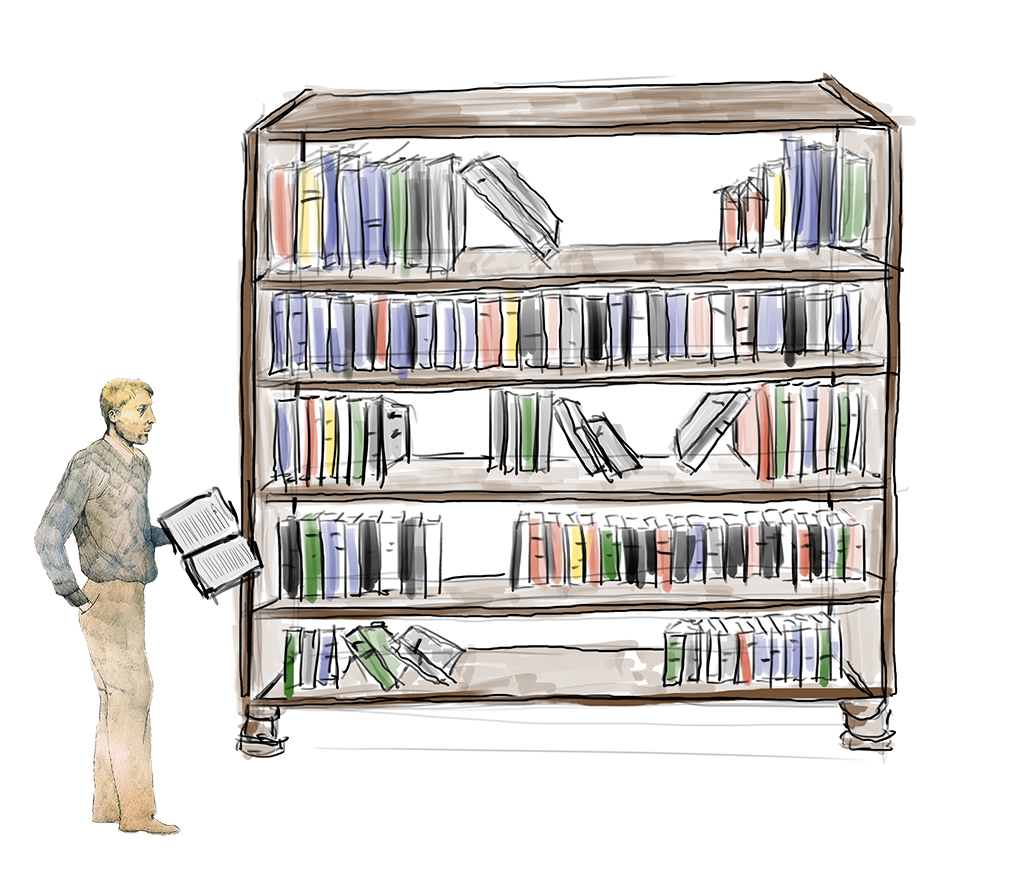
Legally independent, versatile and particularly well-suited to asset structuring, holding companies and business purposes.
A trust company (trust registered) is an enterprise governed by trust articles, managed by one or more trustees in their own name or under their own company name, which is legally independent, organised and endowed with its own assets. It is also referred to as a business trust and is modelled on the US business trust.
The trust combines structural flexibility with legal autonomy and is suitable for both private and business purposes

Succession planning
The structured transfer of assets and shareholdings across generations.
Asset protection
The protection and preservation of assets across generations, in the sense of asset protection.
Caring for relatives
Caring for and supporting family members or other individuals.
Charitable status
Use for charitable, non-profit or other personal purposes.

Investments and Holding Companies
Overview, holding and managing companies and equity investments.

Commercial enterprise
The operation of a business run on commercial principles as an independent entity.
What is a trust company and what is its purpose?
A trust company is a legally independent, organised enterprise with its own assets, based on a trust deed and managed by one or more trustees. It is also referred to as a commercial trust. It may be established with or without legal personality, although in practice it is primarily the trust company with legal personality that is of significance. This may be structured as a corporate entity or, like a trusteeship, in the form of a foundation.
How is a trust company set up?
A trust is established by drawing up trust deeds, contributing trust assets totalling at least CHF 30,000.00 or, alternatively, EUR/USD 30,000.00, and registering the trust in the Commercial Register.
What purposes can be pursued through a trust company?
A trust company may be established for any purpose whatsoever, in particular for the investment of assets, the distribution of income, the consolidation of undertakings through the transfer of shares, and for family welfare, charitable, philanthropic or other personal and non-personal purposes. The purpose must make it clear whether or not the trust company carries on a business conducted on a commercial basis.
Who are the parties involved in the trust company?
The parties involved include, in particular, the settlor, the trustees, the beneficiaries, any protectorate and, in the case of commercial activities, an auditing body. The settlor makes or promises a contribution of assets to the trust fund and may reserve certain powers for themselves. One or more trustees manage the affairs of the trust and represent the trust company externally; where there are several trustees, they form the board of trustees. Beneficiaries may receive present or future benefits from the trust assets or their income. A distinction is made between beneficiaries with a legal entitlement and discretionary beneficiaries without an enforceable claim. Subject to a corresponding provision in the trust deed, securities may also be issued in connection with the benefit.
What are the requirements for the Board of Trustees?
Individual trustees may be excluded from the management of the trust, and the management of its business activities may be delegated to third parties. Provided that the trust company does not carry out any commercial activities within Liechtenstein, at least one member of the board of trustees must be a national of a contracting party to the EEA, a person of equivalent status or a legal entity, and must hold a licence in accordance with the Trust Act.
What documents does the trust company hold, and what do they cover?
All the key provisions governing the trust are set out in the trust deed. Provisions relating to beneficiaries are usually set out in a separate document, the supplementary trust deed. In addition, the settlor may draw up a Letter of Wishes in which they set out their wishes regarding decisions made by the trustee or the board of trustees. Whilst this is generally non-binding, it should be taken into account in the decision-making process.
Which assets can be transferred to the trust company?
Movable and immovable assets, as well as rights and equity interests, may be transferred to the trust company. Further assets may be placed in trust with the trust company at any time.
How long has the trust company been in existence?
A trust may be established for a fixed or indefinite period.
When will the trust be wound up?
A fixed-term trust relationship shall continue until the ground for termination set out in the trust deed has arisen. By operation of law, the trust relationship shall end, in particular, in the event of bankruptcy due to insolvency or over-indebtedness, as soon as the purpose has been achieved, or if the trust company is no longer able to fulfil its duties due to a lack of assets. Dissolution takes place in accordance with the statutory provisions governing the liquidation of legal entities, in particular following three calls to creditors; the trust may only be struck off the register six months after the third call to creditors.
How is the trust company taxed?
Trust companies are subject to income tax at a rate of 12.5 per cent. A minimum income tax of CHF 1,800.00 per annum is payable. Trust companies without any economic activity, which derive their income essentially only from the assets they hold, may obtain the status of a private asset structure (PVS) and are then subject only to the minimum income tax of CHF 1,800.00 per annum. The transfer of assets into the trust and distributions therefrom are tax-free in Liechtenstein, but may give rise to tax consequences abroad.
What are the obligations associated with commercial activities?
If the trust company operates a business managed in accordance with commercial principles, the following obligations apply in particular:
- Appointment of an auditor
- Proper accounting
- Obtaining a business licence if the business is carried on within Switzerland
What you stand to gain, specifically
The trust company has its own assets and clear organisational structures.
Suitable for asset investment, holding companies, family provision, charitable purposes and day-to-day business operations.
The trustee, the board of trustees, the beneficiaries, the protectorate and, optionally, the auditors establish clearly defined roles.
Eligible beneficiaries and discretionary beneficiaries can be structured on a case-by-case basis.
12.5 per cent income tax or, for those with PVS status, a minimum annual income tax of just CHF 1,800.00.
As well as asset structuring, a trust company is also suitable for running a commercial business.
Why Kaiser Partner
Liechtenstein has one of the oldest and most stable sets of company laws in Europe. The Law on Persons and Companies (PGR) of 1926 forms the basis for structures that offer long-term reliability – whether a foundation, trust, public limited company or Anstalt – regardless of political developments in other countries.
Kaiser Partner Wealth Advisors has specialised in the structuring of cross-border assets for decades. Its headquarters in Vaduz, Liechtenstein, is no coincidence, but rather a structural advantage.
Setting out the purpose, the beneficiaries, the governance structure and whether commercial activities are envisaged.
The organisation of trust funds, the board of trustees, the protectorate and any rights of reservation held by the settlor.
Drafting of the trust deed, as well as a separate supplementary deed and, where applicable, a letter of wishes.
Provision of the minimum capital of CHF 30,000.00 and registration of the trust company in the Commercial Register.
Administration of the trust assets, compliance with tax and accounting obligations, and, where applicable, audit and authorisation requirements.